
The united Kingdom, UK-owned Rubymar, attacked by Houthi militants last month, has sunk in the Red Sea, Yemen’s internationally recognised government said on Saturday, warning of a “environmental catastrophe” from the ship’s cargo of fertilizer.
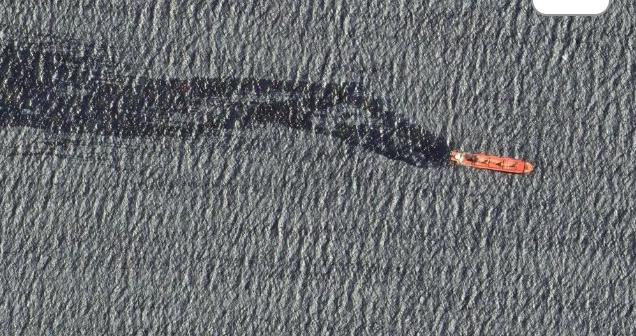
If confirmed, it would be the first vessel lost since the Houthis began targeting commercial shipping in November, forcing shipping firms to divert vessels on to the longer, more expensive route around southern Africa.
The militants say they are acting in solidarity with Palestinians in Gaza.
On Monday, a Yemeni government team visited the Rubymar, a Belize-flagged cargo ship, and said it was partially submerged. A government statement on Saturday said the ship had sunk in the southern Red Sea on Friday night.
The United States Navy’s Fifth Fleet did not immediately respond to a request to confirm the sinking.
The United Kingdom Maritime Trade Operations (UKMTO) agency on Saturday reported a ship sinking, but did not identify it.
The U.S. military previously said the attack had significantly damaged the freighter and caused an 18-mile (29-km) oil slick. The ship was carrying more than 41,000 tons of fertilizer when it came under attack, the U.S. military has said.
Ahmed Awad bin Mubarak, foreign minister in Yemen’s Aden-based government, which is backed by Saudi Arabia, said in a post on X: “The sinking of the Rubymar is an environmental catastrophe that Yemen and the region have never experienced before.
“It is a new tragedy for our country and our people. Every day we pay the price for the adventures of the Houthi militia …”
The internationally recognised government is based in Aden, while the Houthis have gained control of the north and other large centres since a war that began in 2014.
The release of some 41,000 tons of fertilizer into the waters of the Red Sea poses a serious threat to marine life, said Ali Al-Sawalmih, director of the Marine Science Station at the University of Jordan.