
A bill for an act to provide guidelines for the payment of judgement owed by the Federal Government and its agencies has scaled second reading in the House of Representatives.
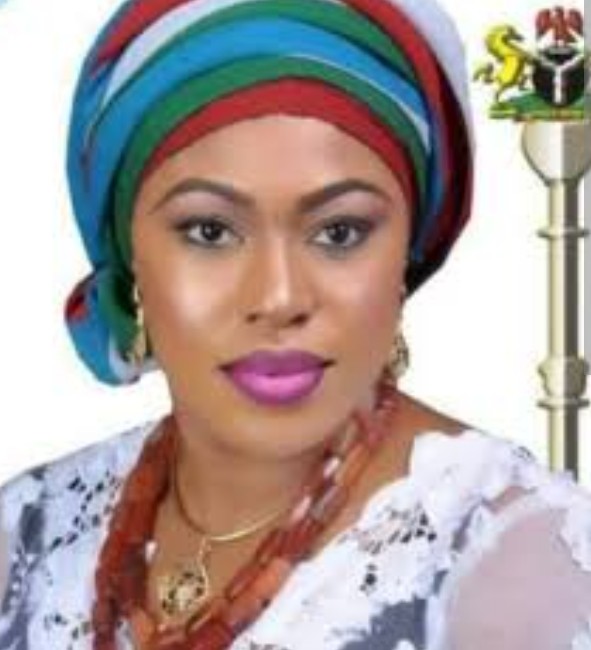
Sponsor of the bill, Princess Mariam Odinaka Onuoha, Representative of Onuimo/Okigwe/Isiala Mbano Federal Constituency of Imo State while leading the debate on the general principles of the bill on the floor of the House in Abuja on Thursday, said Nigeria had faced increasing financial liabilities from judgemental debts.
Onuoha, said the payments had been managed without consistent guidelines, proper documentation, and transparency.
She stated that government agencies often paid judgement debts on a discretionary basis, without due consideration for the order of judgements, public interest, or the need to respect court orders.
According to Onuoha who is the Chairperson, House Committee on TETFund and Other Services the current lack of a legal framework for handling these obligations has created room for negligence and misconduct.
She further said that the actions of public officers, unchecked by clear consequences, led to avoidable litigation.
“Therefore, the Judgement Debt (Payment Guidelines) Establishment Bill, 2023, is a necessary response to these challenges.
“It introduces a structured approach to managing judgement debt payments by the Federal Government and its agencies, ensuring accountability, compliance, and financial discipline.”
She said that the bill would ensure that judgement debts incurred by government agencies were paid directly by those agencies, thereby adding financial responsibility and discouraging reckless actions.
She added that it would also foster transparency and accountability by mandating that judgement debts are included in the annual budget, subject to the oversight of the National Assembly.
The bill was however supported by lawmakers, which was subsequently passed by the House, thereby scaling second reading