
BY OUR CORRESPONDENT
The House of Representatives on Thursday adopted a motion seeking to ‘safeguard judicial Independence and protect judicial officers from unwarranted
intimidation, harassment and public vilification through social media and broadcasting
networks.”
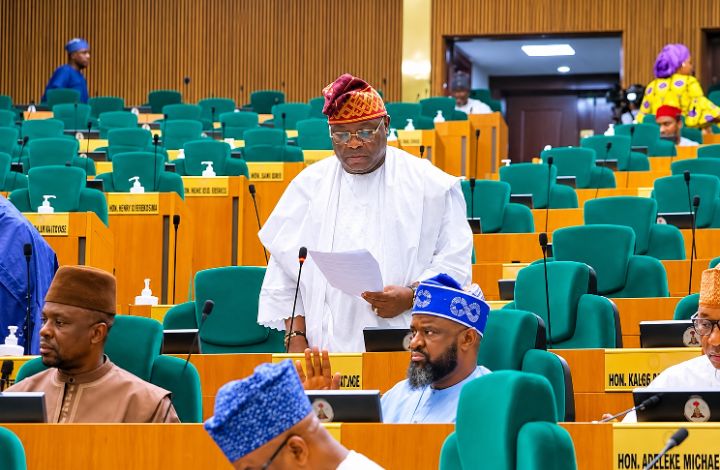
In a motion by Hon. (Barr) Ademorin Kuye, he noted that judicial officers are constitutionally entrusted with the responsibility of interpreting
the law, determining disputes and dispensing justice without fear, favour, affection or ill will adding that some public commentators and legal practitioners engage in personal attacks
against judges rather than addressing the legal principles, reasoning and findings contained in their judgments.
Kuye stated that ’Section 39 of the Constitution guarantee’s Right to the Freedom of Expression and the Press must be protected, including the right of citizens, journalists and legal practitioners to scrutinize and criticize judicial decisions responsibly.
“The fundamental distinction between legitimate criticism of a judgment and
personal attacks, threats, harassment or intimidation intended to undermine the integrity and independence of the judicial officer who delivered it;
“Social media platforms, online publications and broadcasting networks are increasingly being used to circulate unverified allegations, misleading interpretations and inflammatory commentaries about judicial proceedings and judgments, sometimes without adequate examination of the court records, evidence, legal arguments or reasoning underpinning
such decisions;
“Sustained campaigns of intimidation, harassment and personal vilification against
judicial officers may weaken public confidence in the Judiciary, expose judges to undue pressure and undermine the Constitutional Principle of Separation of Powers.
“The National Judicial Council, the Body of Benchers and the Nigerian Bar
Association have important constitutional and professional responsibilities in promoting judicial integrity, professional ethics and public confidence in the administration of justice.
“The protection of judicial independence is not intended to place judges above accountability or legitimate scrutiny, but to ensure that judicial officers can discharge their constitutional responsibilities without unlawful intimidation, threats or external pressure.”
On arguments by some lawmakers that the motion was intended to silence the media and opposition figures ahead of the general election, Kuye clarified that the motion was not seeking to create new offences or deny Nigerians their constitutional rights but rather to ensure the enforcement of existing laws against intimidation and harassment.
“This motion supports freedom of speech but makes a distinction between criticism and intimidation, which I am very sure it will never support. And this House will never support,” he said.
He warned that allowing the judiciary to be destroyed through sustained intimidation could erode public confidence in the justice system and encourage resort to jungle justice.
Following his prayers, the House resolved that
Federal Ministry of Justice and relevant institutions promote public awareness
of the constitutional and legal mechanisms available to litigants seeking redress against
judicial decisions or alleged judicial misconduct..
The House also urged the National Judicial Council (NJC) to strengthen its existing mechanisms for receiving, assessing and addressing credible complaints involving threats, harassment, intimidation and attempts to improperly influence judicial officers in the discharge of their duties; called on the Body of Benchers and the Nigerian Bar Association to reinforce professional standards and ethical responsibilities among legal practitioners, particularly regarding public statements and commentaries on pending cases, judicial proceedings and judgments to issue appropriate professional guidance encouraging lawyers to express disagreement with judicial decisions through lawful, constructive and professionally responsible channels, while discouraging personal attacks, intimidation and abusive conduct against judicial officers.
The Parliament also called on the National Broadcasting Commission (NBC) to strengthen compliance with applicable broadcasting standards by media organisations and presenters when discussing judicial proceedings and judgments, ensuring fairness, accuracy, responsible reporting and
respect for the administration of justice, urging
media organisations, journalists, political actors and social media users to
distinguish between legitimate criticism of judicial decisions and personal attacks capable of intimidating judicial officers or undermining public confidence in the judiciary.
The Green Chamber called on the relevant law enforcement agencies to investigate credible reports of threats, harassment, incitement to violence and other unlawful attempts to intimidate judicial officers, and ensure that appropriate legal action is taken where offences are established, mandating the committees on Judiciary and Human Rights to engage the National Judicial Council, Body of Benchers, Nigerian Bar Association, National Broadcasting Commission, Federal Ministry of Justice and other relevant stakeholders to examine practical measures for protecting judicial officers from unlawful intimidation, harassment and vilification while preserving constitutional freedoms and legitimate public scrutiny of judicial decisions and
report within four (4) weeks for further legislative action.